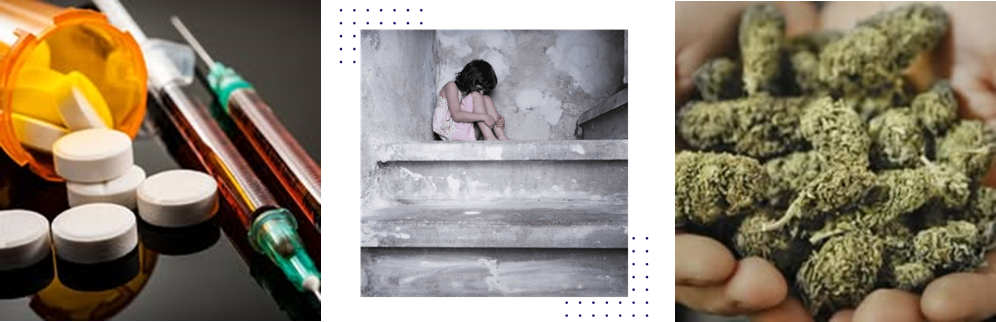
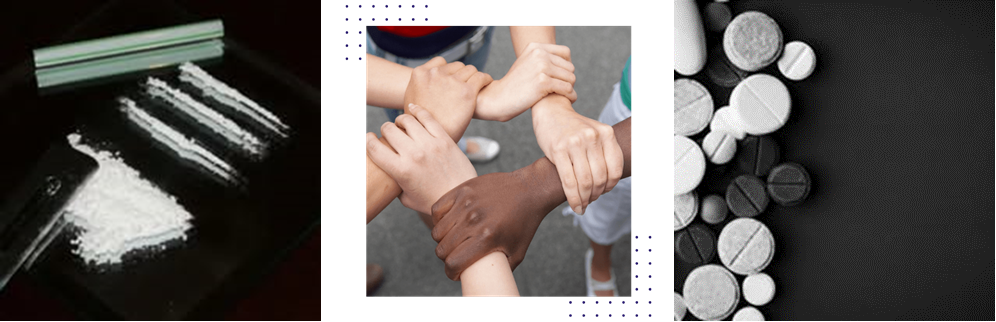
Impact & Awareness: Understanding Substance Use Educating businesses and communities about the effects of drugs and the importance of prevention Education Why Drug Education Matters Substance abuse affects individuals, families, workplaces, and entire communities.Drug misuse can lead to increased crime, financial burdens, and public safety concerns.Children are significantly affected, impacting their upbringing and behavior. The Role Of Drug Testing Help ensure safe and productive workplaces.Help ensure safe and more productive community.Reduces liability and risk for employers.Encourages accountability and early detection of substance abuse. Commonly Abused Substances & Their Effects Opioids (Prescription painkillers, heroin, fentanyl) Effects: Drowsiness, confusion, respiratory depression, addiction. Risks: Overdose, long-term dependency, withdrawal symptoms. Alcohol Risks: Alcohol poisoning, liver disease, DUI-related accidents.Effects: Slowed reaction time, impaired judgment, mood swings. Stimulants (Cocaine, methamphetamine, ADHD medications like Adderall) Effects: Increased energy, heightened alertness, aggression, paranoia.Risks: Heart problems, psychosis, severe crash after use. Cannabis (Marijuana, THC products, synthetic cannabinoids like Spice/K2) Effects: Relaxation, altered perception, impaired memory and coordination.Risks: Cognitive impairment, potential for addiction, workplace safety hazards. Synthetic & Club Drugs (Ecstasy, LSD, ketamine, bath salts, inhalants) Effects: Hallucinations, altered perception, increased sociability.Risks: Unpredictable side effects, dangerous behavior, overdose potential. Workplace & Community Impact Workplace Consequences Reduced productivity and increased absenteeism.Workplace accidents lead to injuries or fatalities.Legal and financial risks for employers. Community Effects Increased crime rates related to drug trafficking and abuse.Healthcare system burden due to overdoses and long-term addiction treatments.Broken families and strained social services. Recognizing Signs of Substance Abuse Behavioral Indicators Sudden changes in work performance or attendance.Mood swings, irritability, or unusual paranoia.Secretive behavior or avoidance of responsibilities. Physical Symptoms Bloodshot eyes, poor hygiene, slurred speech.Unsteady movement, extreme drowsiness, or hyperactivity. Workplace Red Flags Unexplained accidents or frequent mistakes.Excessive tardiness or long breaks.Smell of alcohol or drugs on an employee. Prevention & Resources The Importance of Drug Testing Policies Pre-employment and random testing as deterrents.Clear workplace policies about drug use and consequences. Rehabilitation & Support Options Employee Assistance Programs (EAPs).Support groups like Narcotics Anonymous (NA) and Alcoholics Anonymous (AA).Local rehab and counseling services. Community & National Resources National Institute on Drug Abuse (NIDA) – www.drugabuse.govSubstance Abuse and Mental Health Services Administration (SAMHSA) – www.samhsa.govLocal rehab centers and outreach programs. Community: Report on a Concern Child Abuse or Neglect 800-392-3738 School Violence 866-748-7047 Human Trafficking 888-373-7888